WHY BUILD WITH WOOD?
In the modern construction landscape, the choice of material is no longer just about structural integrity—it’s about environmental responsibility and long-term efficiency. As the challenge to reduce carbon footprints without compromising on aesthetics or strength is taking more and more importance, wood has emerged as the premier solution.
Mass timber structure: unmatched environmental benefits
The most compelling reason to choose a mass timber structure is its ability to sequester carbon. Unlike concrete and steel, which emit massive amounts of CO2 during production, trees absorb carbon as they grow. To give numbers: every cubic meter of wood used in construction stores approximately one ton of CO2.
The Power of Glulam structure: Strength Meets Versatility
One of the most proven components of modern timber engineering is Glued Laminated Timber (Glulam).
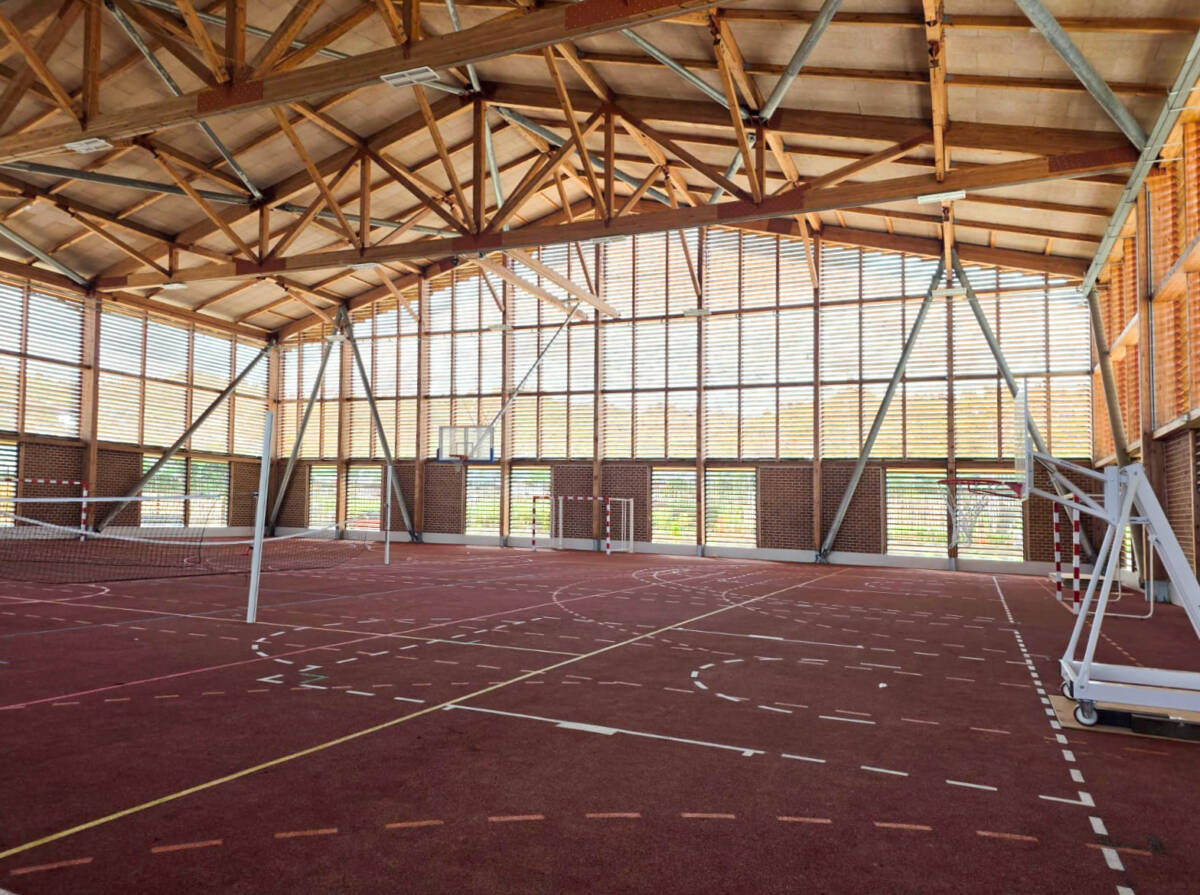
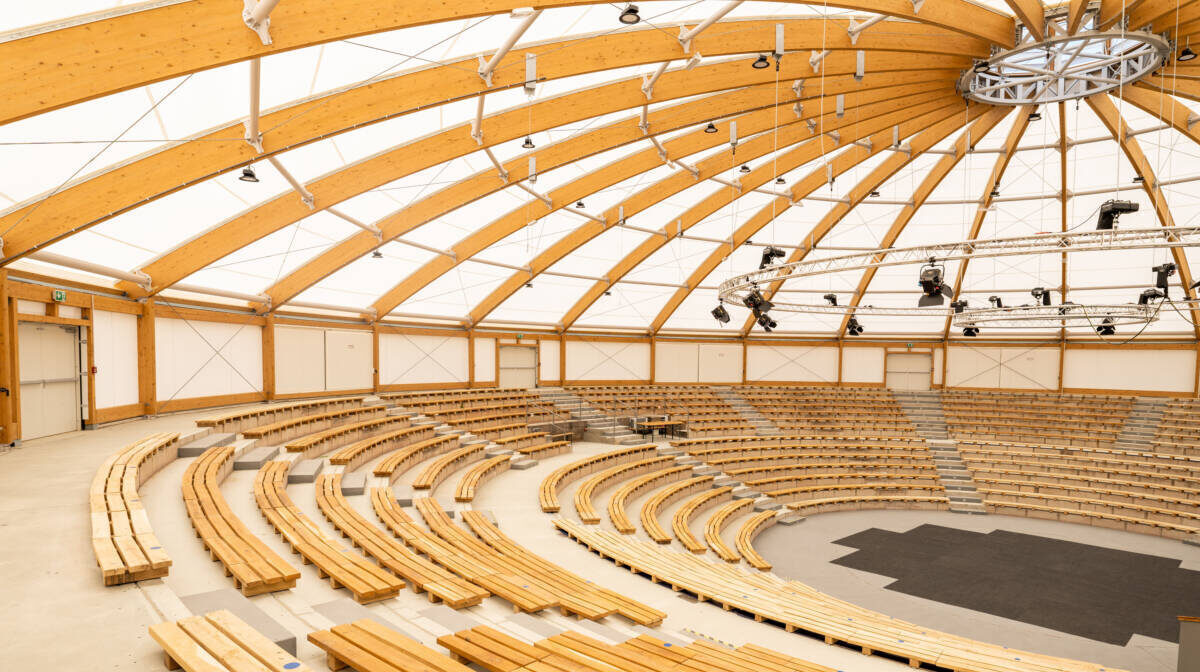
A glulam structure offers a strength-to-weight ratio that rivals steel, allowing for expansive spans and breathtaking open spaces. A glulam beam structure can be curved or arched. Thus, it allows an architectural fluidity that is difficult to achieve with other materials.
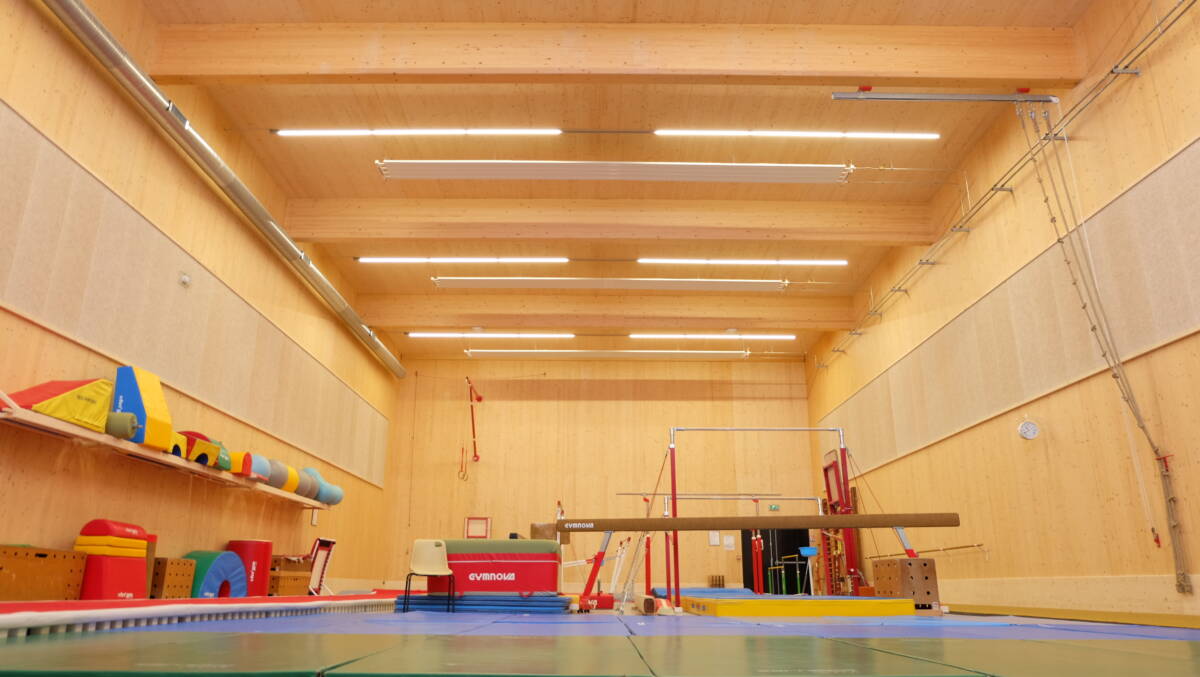
Being lighter than concrete, timber structures require lightweight foundation work, saving time and costs on-site. Dry construction (no use of water during construction) with prefabricated glulam timber structures allows for predictable, quick and precise erection on site, therefore saving time and costs on-site as well.
Debunking the Myths of glulam timber structure: Safety and Durability
Despite its benefits, some stakeholders express concerns regarding fire and longevity. However, engineering data tells a different story.
Fire Resistance
It sounds counterintuitive, but a large-scale mass timber structure is incredibly fire-resistant. When exposed to flame, the outer layer of a thick timber beam chars, creating a protective insulating layer that preserves the structural integrity of the core. Unlike steel, which can melt and collapse suddenly at high temperatures, wood fails predictably and slowly.
Longevity and Maintenance
Modern treatments ensure that timber remains protected from moisture and pests. When properly designed, a timber building can last centuries, as evidenced by historic structures worldwide.
In conclusion, choosing wood has always been in SMC2 DNA. Whether you are looking for the architectural elegance of a glulam beam structure or the robust performance of a full mass timber structure, wood delivers on every metric: aesthetics, safety, and sustainability. At SMC2, we believe that timber is the solution for tomorrow construction and the way to embrace sustainable architecture. Here is why we think that wood is the ultimate building material for the future.